
Choose the Right Autoclave for Your Load, Workflow, and Site Conditions
Compare autoclave types, chamber size, steam sterilization cycles, and daily workload before you request a quote. This page is built for buyers who need to narrow the right direction first, then compare suitable models with fewer mistakes.
Start With These 3 Buying Questions
What Is an Autoclave, and Why Do Buyers Search It in Different Ways?
An autoclave is a steam sterilization system used to process suitable loads under pressure and heat. In real buying situations, some users search for “autoclave,” others search for “steam sterilizer,” “laboratory autoclave,” “medical autoclave,” or a specific format such as “vertical autoclave” or “tabletop autoclave.”
That is why a strong autoclave page should not act like a single product sheet. It should help buyers compare by application, load type, cycle type, chamber size, and workflow before they choose a model.
Find the Right Autoclave Path Before You Compare Models
Buyers usually search by application, by autoclave type, or by sterilization need. Use these paths first, then request a recommendation with fewer wrong turns.
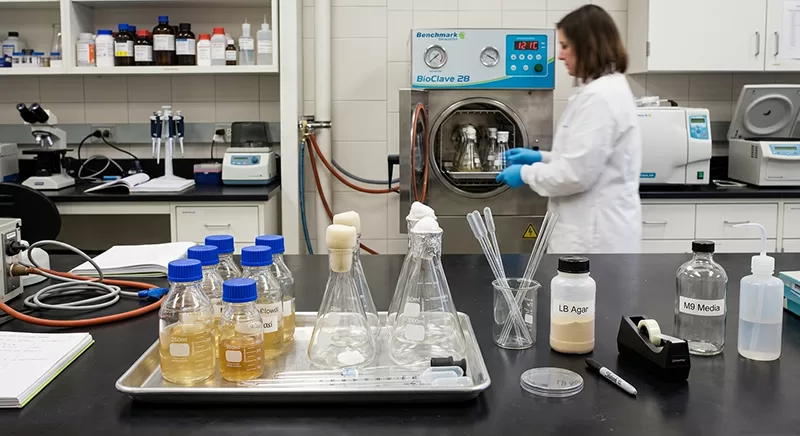
Laboratory Autoclave
For research labs, microbiology labs, QC labs, universities, media preparation, liquids, glassware, and lab waste workflows.
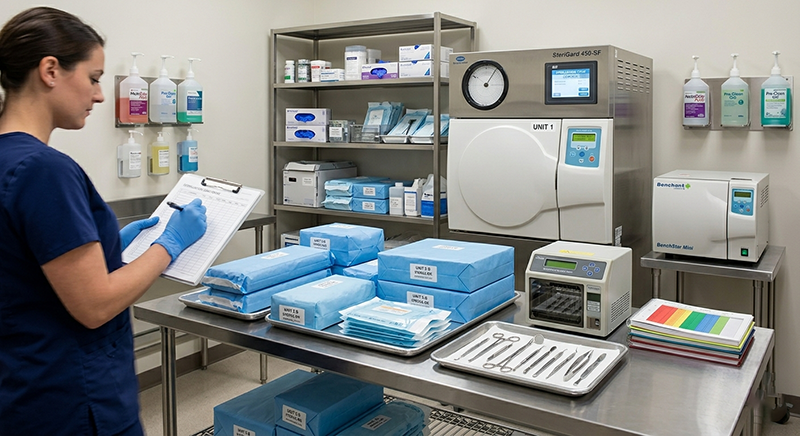
Medical Autoclave
For clinical instruments, treatment rooms, reusable medical tools, wrapped items, and sterilization workflows where documentation may matter.
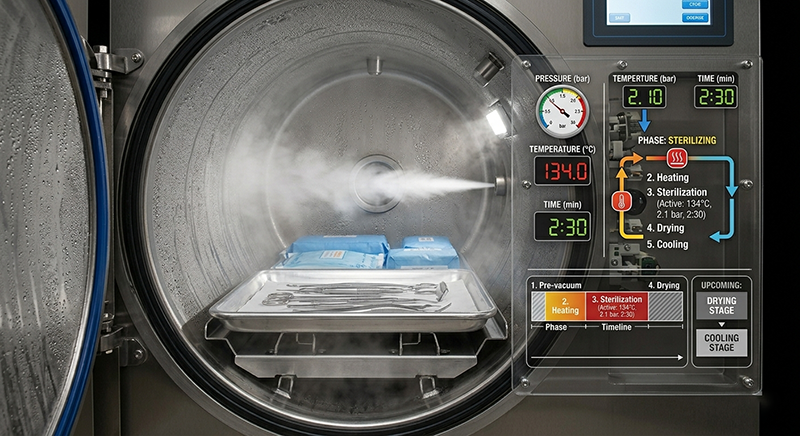
Steam Autoclave
For buyers comparing sterilization cycles, pressure, temperature control, drying, cooling, and load compatibility.
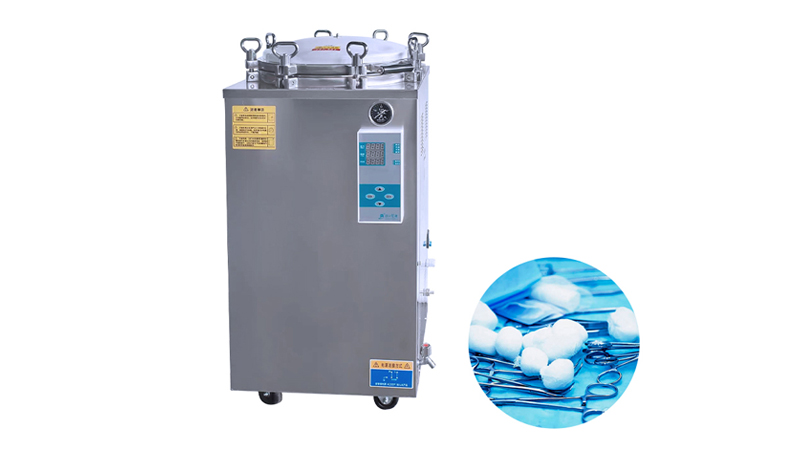
Vertical Autoclave
For floor-standing capacity with a smaller footprint, especially in laboratory environments that process baskets, media, or waste.
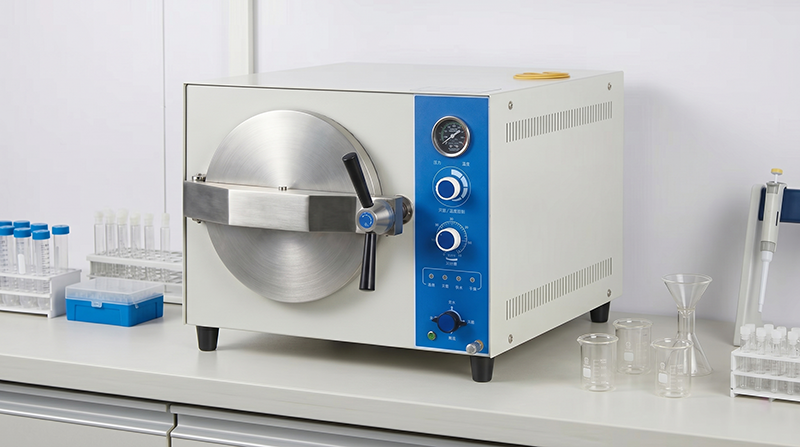
Tabletop Autoclave
For limited-space sites such as clinics, smaller labs, dental rooms, tattoo studios, or light daily instrument turnover.
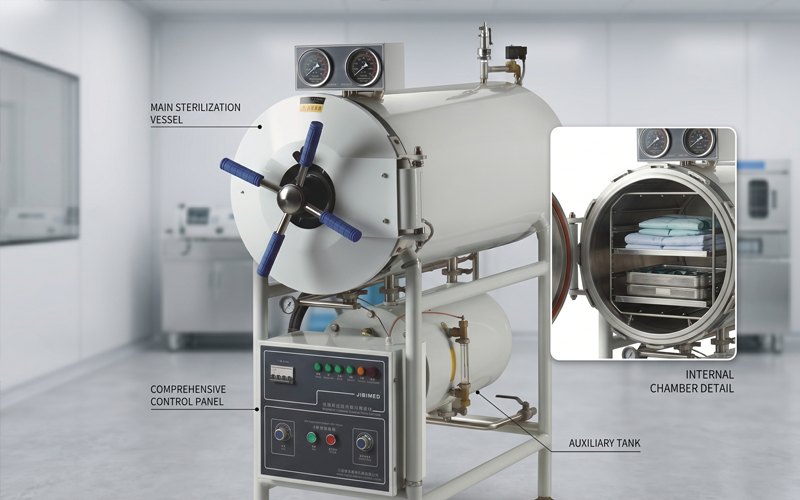
Autoclave Sterilizer
For general buyers who need to compare type, size, price factors, supplier support, and application fit before narrowing a shortlist.
Quick Autoclave Selection Guide
Use this as a first filter. The final autoclave choice should still be matched against your actual load, chamber dimensions, daily throughput, site utilities, and any documentation needs.
| Your Main Situation | Better Direction to Compare | What Matters Most |
|---|---|---|
| Research or microbiology lab running media, liquids, glassware, and routine lab loads | Laboratory autoclave | Load type, liquid cycle, chamber depth, cooling, basket layout, and daily volume |
| Clinic or healthcare room sterilizing instruments and reusable items | Medical autoclave | Wrapped or unwrapped loads, drying, cycle records, and practical instrument turnover |
| Small facility with limited space and moderate daily load | Tabletop autoclave | Tray size, chamber depth, footprint, cycle speed, and ease of loading |
| Lab needs more capacity but does not want a large horizontal footprint | Vertical autoclave | Basket dimensions, operator loading height, cooling, drainage, and utilities |
| Buyer focuses on sterilization logic rather than machine format | Steam autoclave | Cycle type, steam penetration, exhaust, drying, and load compatibility |
| Buyer is still broad and searching “autoclave sterilizer” first | Autoclave sterilizer guide | Application, load, throughput, supplier support, installation, and price factors |
The Load Decides the Right Autoclave Direction
This is one of the most important buyer decisions. Steam cannot sterilize what it cannot reach, and different loads need different cycle behavior, air removal, drying, cooling, and handling.
Instruments
Focus on whether instruments are wrapped or unwrapped, how quickly they must return to use, and whether drying performance is necessary after sterilization.
Common in medical and clinic useLiquids
Liquid loads often need slower exhaust and controlled cooling. Buyers should think beyond temperature and consider container type, safety, and total cycle time.
Common in laboratory useCulture Media
Media sterilization often looks simple, but fill level, container size, cycle selection, and cooling behavior all affect results and workflow.
Common in microbiology labsGlassware
Glassware buyers should check internal chamber depth, rack or basket arrangement, and how efficiently the actual shapes fit per cycle.
Common in research and QC labsLaboratory Waste
Waste sterilization may require specific handling logic, post-cycle care, and load arrangement. It should not be treated like ordinary instrument sterilization.
Common in research facilitiesWrapped or Porous Loads
These loads need more attention to air removal, steam penetration, and drying. Buyers should verify cycle suitability before asking only about price.
Common in medical workflowsAutoclave Use Cases Buyers Usually Compare
The word “autoclave” covers very different workflows. Use case matters because throughput, cycle fit, chamber access, and documentation needs vary from one setting to another.
Research Laboratories
Common loads include media, liquids, glassware, lab tools, and waste. Buyers usually care about cycle flexibility, chamber efficiency, and handling safety after sterilization.
Microbiology Labs
These buyers often need repeatable processing for media, waste, and routine sterilization while balancing throughput and cycle control.
University & Teaching Labs
Ease of use, safe loading, serviceability, and practical daily operation often matter as much as the machine itself.
Clinics & Medical Rooms
Instrument turnover, wrapped loads, drying, and dependable daily cycles usually drive the decision more than headline capacity alone.
Dental & Small Treatment Rooms
Space-saving format, quick access, chamber depth, and tray arrangement are often more relevant than large-capacity specifications.
General Sterilization Buyers
Some buyers are still open between laboratory, medical, tabletop, and vertical directions. These users need a guided shortlist rather than a random model catalog.
Autoclave Types Explained in Buyer Language
Buyers do not need a confusing type list. They need to understand what each direction means for the actual load, workflow, chamber access, and site conditions.
Gravity Autoclave
This direction is often compared for simpler solid loads and many standard laboratory tasks where air removal is less demanding than with wrapped or porous items.
- Usually compared for: simple loads, glassware, some routine lab workflows
- Buyer check: load arrangement still matters because steam access is critical
- Ask before buying: is the cycle actually suitable for your real daily load?
Pre-vacuum Autoclave
This type is often considered when wrapped or more complex loads need better air removal, steam penetration, and drying performance.
- Usually compared for: wrapped items, porous loads, more demanding instrument workflows
- Buyer check: drying, cycle time, and maintenance requirements
- Ask before buying: which load types is the cycle intended to support?
Tabletop Autoclave
This is usually the compact path for buyers who have limited space and moderate daily volume, especially in smaller clinics or work rooms.
- Usually compared for: small facilities and compact daily sterilization
- Buyer check: tray size, chamber depth, and instrument length
- Ask before buying: how much real load fits in one working cycle?
Vertical Autoclave
This is commonly compared by laboratory buyers who need more capacity than a small benchtop unit but still want a manageable footprint.
- Usually compared for: media, liquids, glassware, and waste-oriented lab workflows
- Buyer check: basket layout, operator handling, drainage, and cooling
- Ask before buying: how easy is loading and unloading at your real batch size?
Compare Real Usable Capacity, Not Just Chamber Liters
Competitor guides consistently push buyers toward chamber size, internal dimensions, cycle time, and load geometry because these factors affect daily throughput much more than a simple headline liter number.
Autoclave Price Only Makes Sense After the Load Is Clear
Buyers often ask for price too early. In practice, price depends on chamber size, cycle type, drying, cooling, controls, materials, installation, and supplier support. A useful quote should match the real workload, not only the model name.
Frequently Asked Questions About Autoclaves
These answers are written for buyers who are still comparing equipment direction, not for users looking for one isolated product spec.
What is an autoclave used for?
An autoclave is used for steam sterilization of suitable items such as instruments, liquids, culture media, glassware, and certain waste loads, depending on the cycle and workflow.
What is the difference between an autoclave and a steam sterilizer?
In many buying situations, the terms overlap. “Autoclave” is common in laboratory and industrial searches, while “steam sterilizer” often appears in healthcare and sterile processing contexts.
What size autoclave do I need?
Start with your largest load, not only a liter number. Internal chamber dimensions, tray or basket arrangement, and daily batch volume all affect the right size.
What affects autoclave price?
Price is affected by chamber size, cycle type, drying, cooling, controls, materials, installation needs, and after-sales support.
How do I request a suitable autoclave recommendation?
Send your main load type, daily batch volume, preferred chamber size, site location, and any documentation or utility requirements. That helps narrow the right direction before quotation.
Not Sure Which Autoclave Fits Your Workload?
Tell us what you sterilize, how often you run cycles, what chamber size you expect, and where the machine will be installed. We will help you compare the right autoclave direction before you request a formal quote.
 English
  Russian
  Arabic
  Spanish