
Laboratory Equipment Manufacturer | OEM Available

Tabletop Autoclave Buyer Guide

Choose a Tabletop Autoclave for Small-Space Sterilization and Faster Daily Turnover

A tabletop autoclave is usually chosen when the real need is not maximum chamber size, but compact placement, front-loading convenience, and practical sterilization close to where instruments are actually used. This page helps buyers compare tabletop direction by workflow, tray capacity, and daily batch rhythm before requesting a quote.
1
Useful when sterilization needs to stay close to treatment, prep, or lab work areas without taking floor space
2
Better fit when front-loading tray access is easier than lifting baskets into a deeper top-loading chamber
3
Should be chosen by real tray capacity, batch frequency, and local workflow — not only by compact appearance
See Small-Space Buying Logic
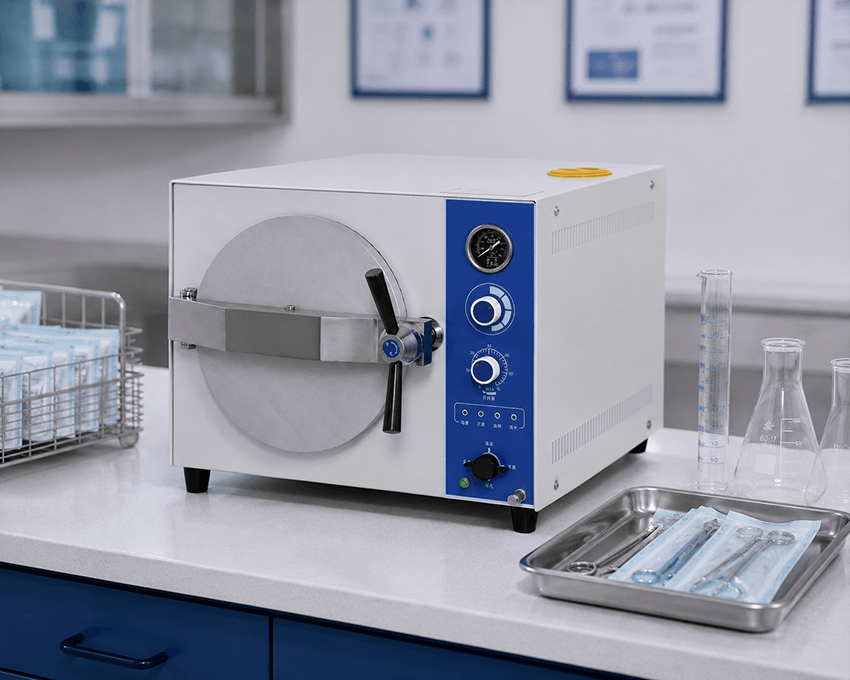
tabletop autoclave in clinic or laboratory countertop sterilization area
Compact Placement Useful when sterilization must fit near the working area without extra floor footprint.
Front Loading Often preferred when tray access feels easier and faster than top-loading basket handling.
Small Batch Flow More suitable where repeated small loads matter more than larger grouped chamber volume.
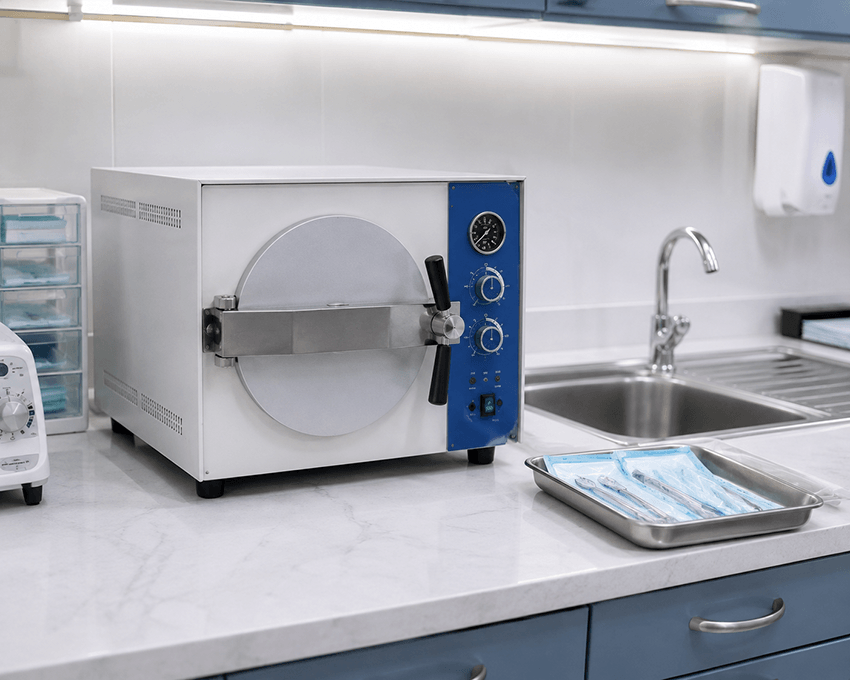
tabletop autoclave near point of use in clinic or dental sterilization area
Small-space workflow

Where a Tabletop Autoclave Usually Wins: Small Space, Fast Turnover, Simple Access

Buyers usually choose tabletop direction when sterilization needs to stay close to treatment or prep areas, instrument loads are relatively small, and front-loading access feels more practical than moving to a larger floor-standing system.

1
Place it close to the working area Tabletop units are often chosen when the sterilizer needs to stay on or near a counter instead of taking dedicated floor space.
2
Run smaller loads more often The better fit is usually a workflow with smaller batches, frequent turnover, and a need to keep the process local and simple.
3
Use front-loading tray access Many buyers prefer tray-style front access because loading and unloading feels easier than lifting baskets into a deeper top-loading chamber.
A tabletop autoclave is usually strongest when the real goal is convenience and local efficiency — not maximum chamber size.
Typical fit

Where Tabletop Autoclaves Usually Make More Sense

A tabletop autoclave is not the answer for every sterilization job. It makes more sense where the real need is compact local sterilization, smaller instrument batches, and easier front-loading access near the point of use.
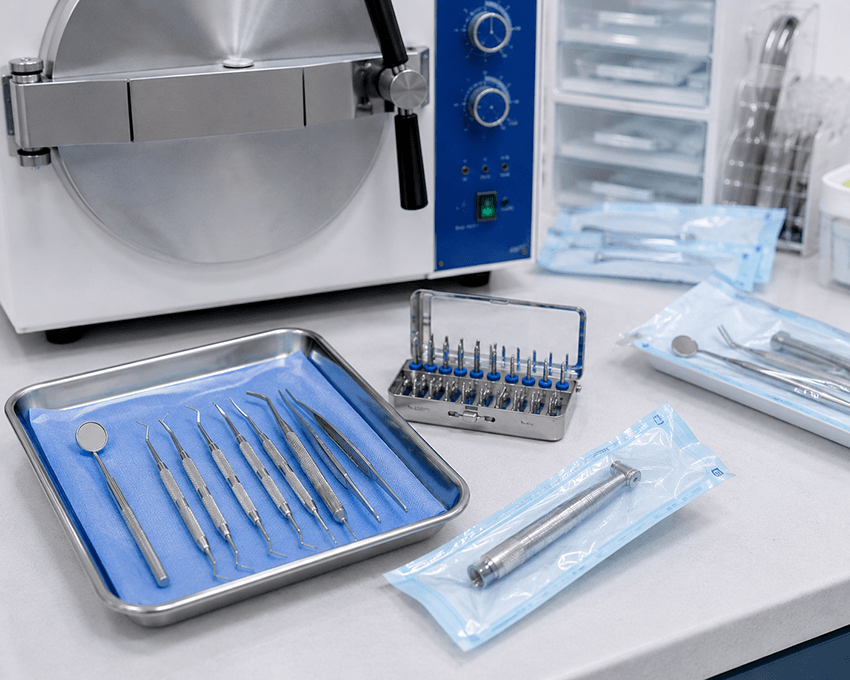
dental instruments for tabletop autoclave

Dental Instrument Sets

Small wrapped packs, hand instruments, and frequent daily turnover are common reasons buyers compare tabletop sterilizers first.
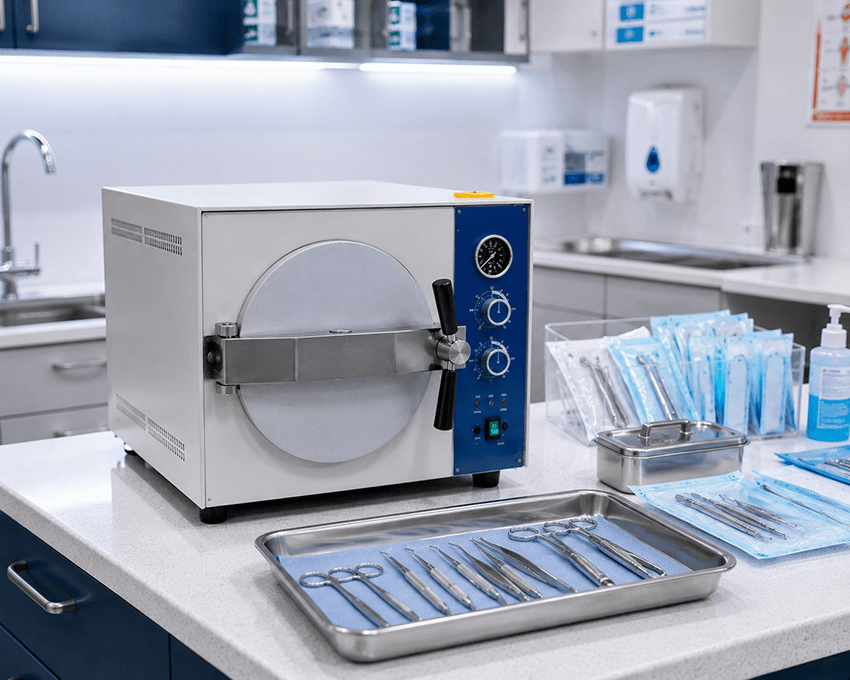
clinic instruments for tabletop autoclave

Clinic Treatment Tools

Where instruments are processed close to treatment or prep areas, a tabletop unit can be easier to place and use.

small lab tools for tabletop autoclave

Small Lab Batches

Small labs may compare tabletop units when daily volume is modest and the site does not need a larger floor-standing sterilizer.
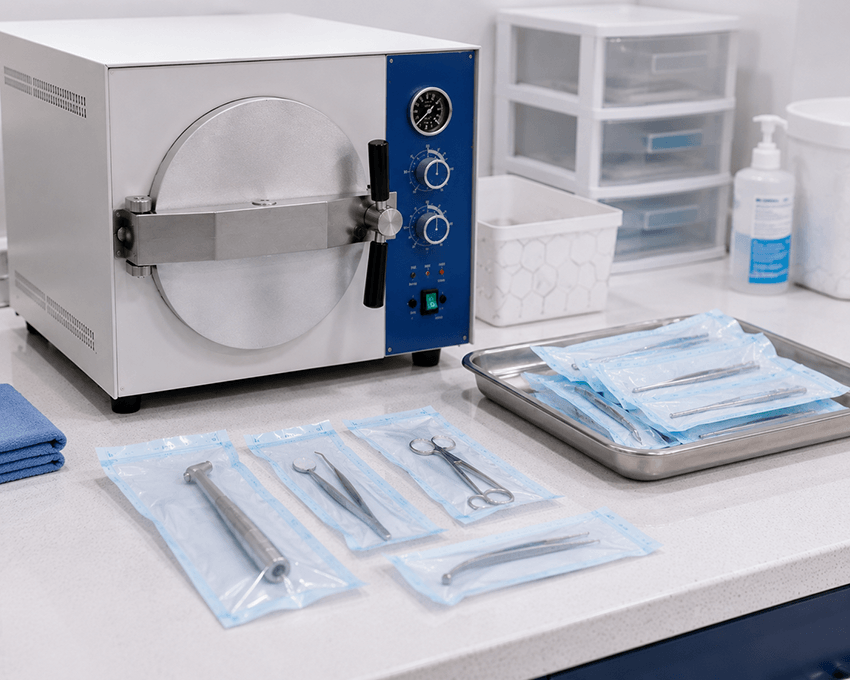
wrapped loads for tabletop autoclave

Wrapped Small Loads

Many buyers choose tabletop direction when wrapped loads are relatively small and the workflow depends on quick, repeated local sterilization.

Buyer filter

When a Tabletop Autoclave Is the Better Choice

Tabletop direction usually works best when compact placement, front-loading convenience, and repeated small-batch turnover are more important than large grouped capacity.

  • Small treatment or prep rooms
  • Repeated instrument turnover in small batches
  • Need for front-loading tray access
  • Point-of-use sterilization in limited space
Reality check

When Tabletop May Be Too Small

A compact sterilizer is not always the right answer. If your site keeps increasing batch volume, handles taller grouped loads, or runs heavy all-day turnover, tabletop size can become the real bottleneck.

  • If tray area fills too quickly, daily efficiency will drop
  • If loads become taller or heavier, vertical or larger units may fit better
  • If the room runs continuous high-volume processing, compact size may stop being practical
This is exactly why buyers should choose tabletop for workflow fit — not just because it looks convenient.
Decision support

Need Help Choosing the Right Tabletop Autoclave?

Send your instrument type, tray quantity, daily cycle frequency, and available installation space first. We will help you narrow the right tabletop autoclave direction before quotation.

Back to Autoclave Guide