
Steam Autoclave Guide: Compare Cycles, Loads, and Site Requirements Before You Buy
A steam autoclave is often the right direction when your load, workflow, and sterilization method depend on saturated steam under pressure. This page is built for buyers who need to compare gravity and pre-vacuum logic, understand load compatibility, and avoid costly mistakes before requesting a quote.
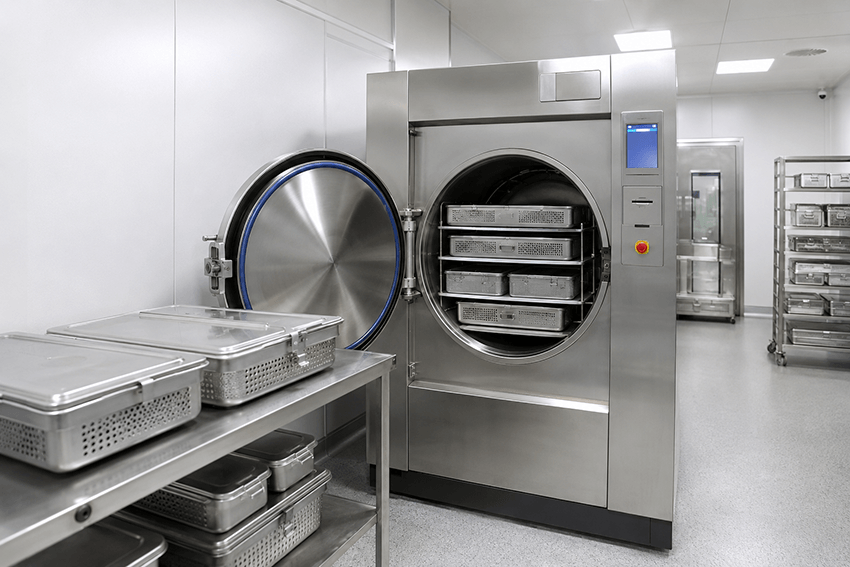
What a Steam Autoclave Actually Means in a Buying Decision
Many buyers use “autoclave” and “steam sterilizer” as if they mean exactly the same thing. In real procurement, the more important question is whether your actual load should be processed by saturated steam under pressure, and what kind of cycle logic fits that load.
This is why a serious buying decision should not begin with only model names or chamber liters. It should begin with the sterilization method, the packing condition of the load, drying needs, and how the machine will fit your daily workflow.
Start with sterilization method
Buyers searching for a steam autoclave are often already sure they need steam sterilization, but not yet sure which cycle direction or chamber type fits the job.
Load matters more than labels
Wrapped tools, porous loads, basic utensils, liquids, and repeated daily batches do not all point to the same machine choice.
Cycle logic changes the result
Gravity displacement and pre-vacuum are not just technical terms. They affect air removal, drying, throughput, and load fit.
Installation is part of the decision
Utilities, drainage, ventilation, service clearance, and workflow space should all be checked before a final quotation stage.
Compare Gravity and Pre-Vacuum the Way Buyers Actually Decide
The key difference is not which term sounds more advanced. The real question is how air is removed, how your load is packed, how important drying is, and how fast the daily workflow needs to move.
Better for Simpler Steam Workflows
Gravity displacement works by letting incoming steam push air downward and out of the chamber. Buyers often compare this route when the load is more straightforward and the workflow does not demand the faster handling of more complex packed loads.
- Often considered for basic solid loads or simpler daily steam sterilization work
- Usually a more straightforward buying direction when wrapped or porous load demands are lower
- Still needs to be checked against the real load and packing method
Better for More Demanding Load Conditions
Pre-vacuum logic removes air before steam enters the chamber. Buyers usually compare this option when penetration, drying, wrapped loads, or faster repetitive daily processing matter more.
- Often preferred when wrapped, porous, or more difficult loads are part of the workflow
- Usually more relevant where throughput and drying affect productivity
- Should be matched to actual cycle requirements rather than assumed by name
Compare Load Types Before You Compare Steam Autoclave Models
This is where many better buying decisions begin. Load type affects air removal, cycle choice, drying expectations, and the real direction of the machine you should request a quote for.
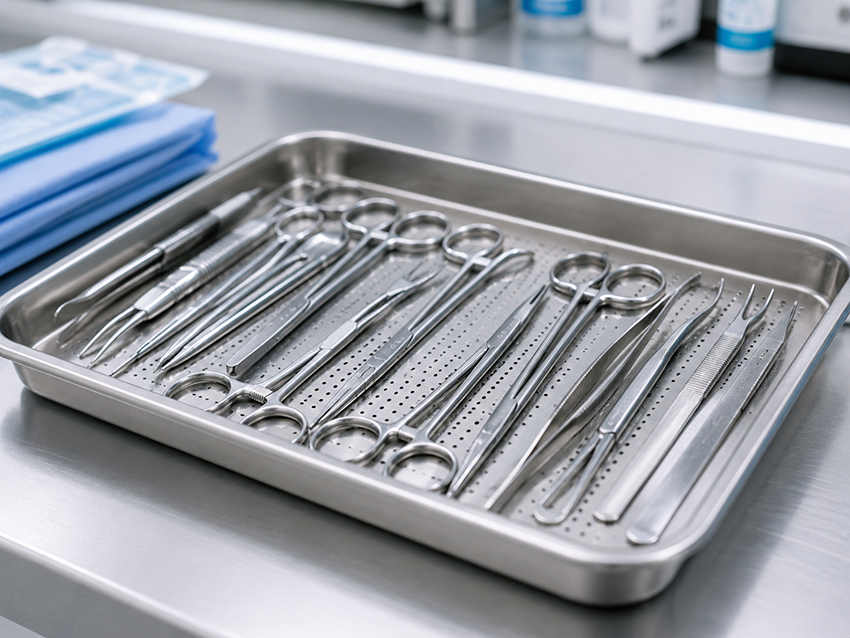
Surgical Instruments
Metal instruments are a common steam sterilization load, but packing condition and workflow still affect the best cycle choice.
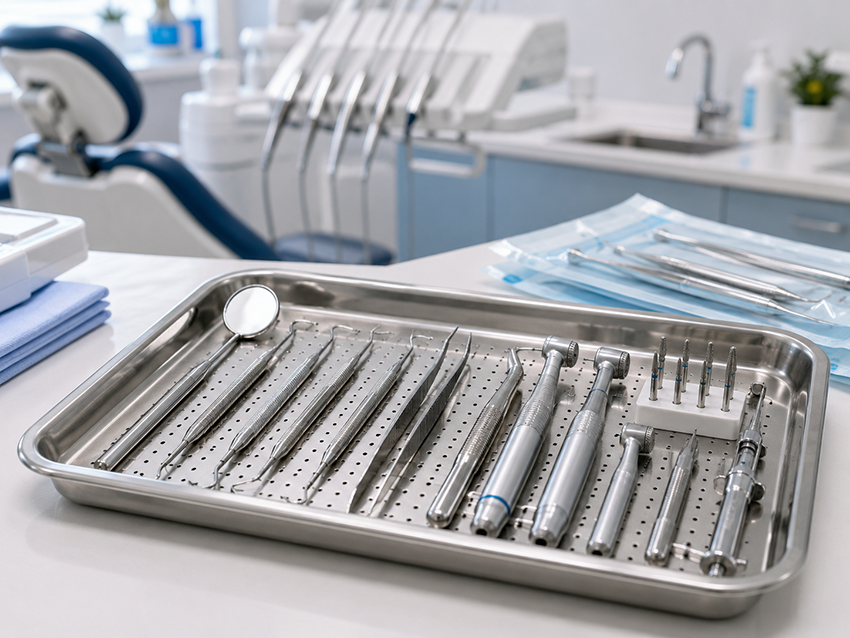
Dental Instruments
Dental loads often require practical daily throughput and consistent turnaround, especially when repeated cycles are part of the day.

Medical Lab Tools
Glassware, racks, and lab containers can fit steam workflows, but cycle choice should still match the actual contents and handling needs.
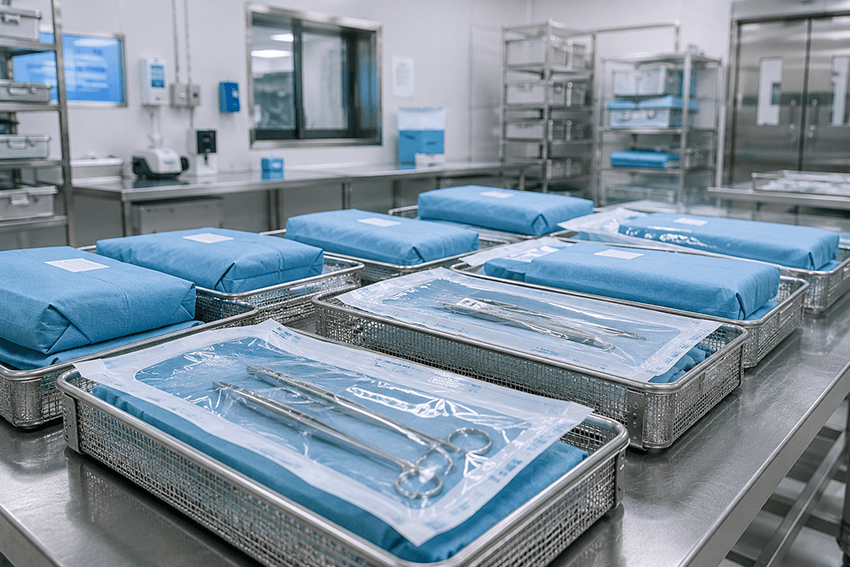
Wrapped Instruments
Wrapped loads often push buyers to compare air-removal performance and drying much more carefully before final machine selection.

Cycle Time
A larger chamber does not automatically mean better daily performance. In many sites, real productivity depends on how quickly the correct steam cycle can move repeated loads through the day.
Drying
Buyers often discover too late that drying affects throughput almost as much as sterilization itself. When wrapped or packaged loads are part of the process, drying can become a key decision point.
Throughput
The better machine is usually the one that fits the real daily pattern of loading, unloading, repetition, and operator flow, not simply the one with the highest headline specification.
Check These Site Conditions Before You Finalize a Steam Autoclave
Many buying problems start because the machine is chosen first and the site is checked later. A better path is to confirm utilities, handling flow, and service conditions before the final recommendation.
Power
Confirm voltage, phase, and electrical compatibility with the actual installation site.
Water & Drainage
Check feed water, drain access, and the real operating expectations of the room.
Ventilation & Clearance
Leave room for maintenance, loading, unloading, heat management, and safe operator access.
Workflow Flow
Think about how loads move through the room every day, not just where the machine can physically fit.
Most Steam Autoclave Mistakes Are Decision Mistakes, Not Machine Mistakes
Buyers often assume they only need to compare chamber size and price. In reality, wrong load fit, weak cycle logic, unplanned utilities, or poor drying expectations usually create the more expensive problems after purchase.
Frequently Asked Questions About Steam Autoclaves
These are the questions buyers usually ask before choosing a steam autoclave direction, especially when cycle fit and load compatibility are still being compared.
What is a steam autoclave?
A steam autoclave is a sterilizer that uses saturated steam under pressure to process suitable loads through controlled cycle conditions.
What is the difference between gravity and pre-vacuum?
Gravity displacement lets incoming steam push air out, while pre-vacuum removes air before steam enters. The better option depends on the load and workflow.
Is a steam autoclave suitable for all kinds of loads?
No. Load type, packing condition, drying needs, and process goals should all be checked before choosing a final machine direction.
What should I compare besides price?
Compare cycle logic, drying, throughput, utilities, chamber layout, and how the machine fits your real daily use pattern.
What information should I send before requesting a recommendation?
Send your main load type, packing condition, daily batch frequency, installation country, and available utilities. That makes the recommendation far more accurate.
Decision support
Need Help Narrowing the Right Steam Autoclave Direction?
Send your load type, packing condition, daily batch frequency, and installation conditions first. We will help you compare the right steam autoclave route before model quotation.