Medical Autoclaves – Choose the Right Sterilizer for Your Clinic
Whether you run a hospital, clinic, or dental office, choosing the right medical autoclave ensures instruments are sterilized efficiently, safely, and in compliance with regulations.
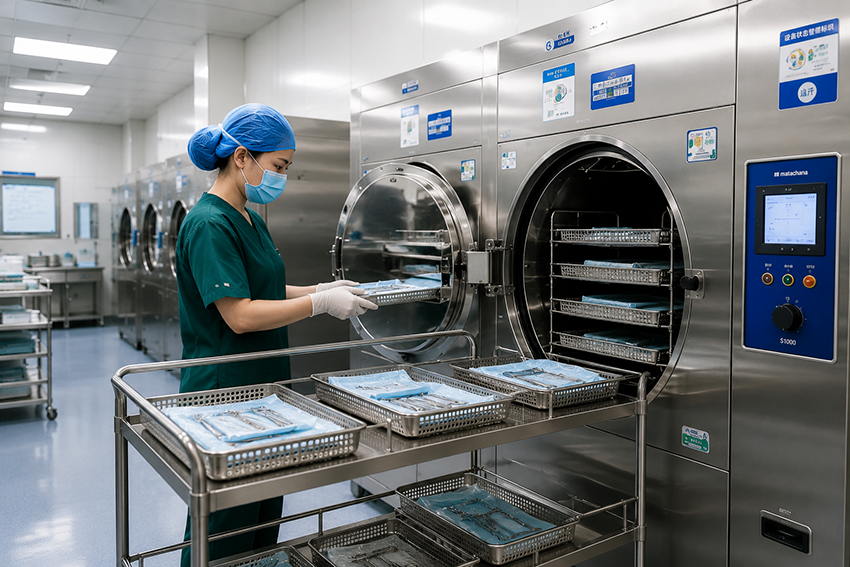
Hospitals
Large-scale instrument sterilization, multiple daily cycles, strict documentation and compliance requirements.
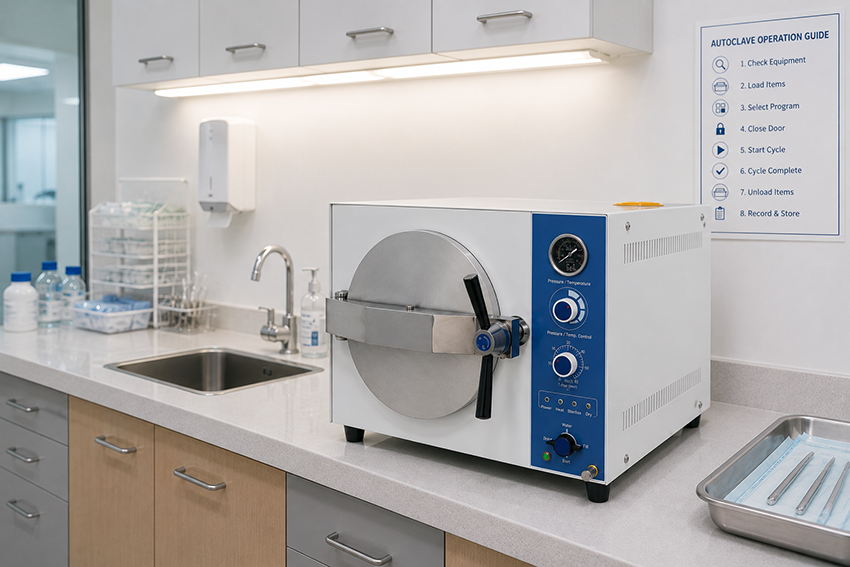
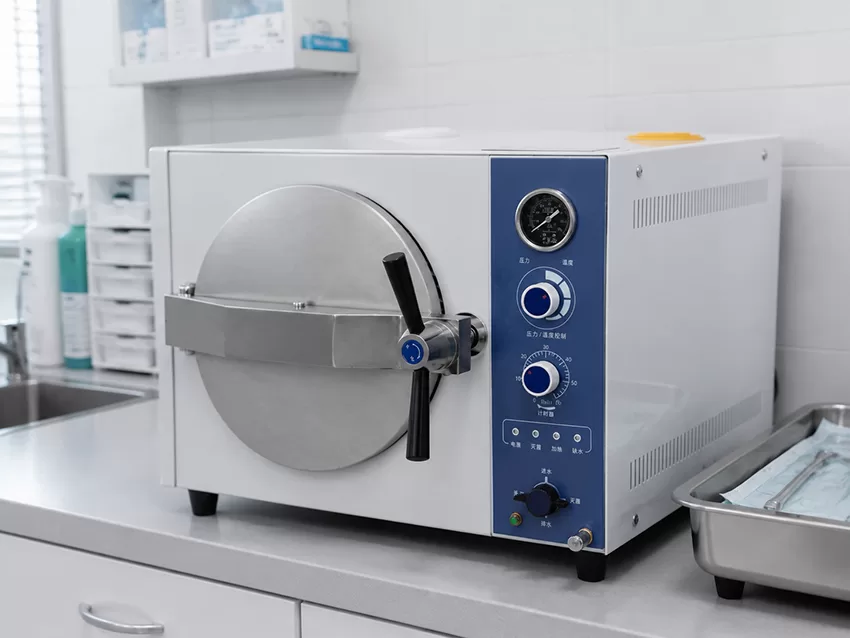
Clinics
Smaller footprint autoclaves for moderate daily throughput with reliable sterilization of treatment tools.
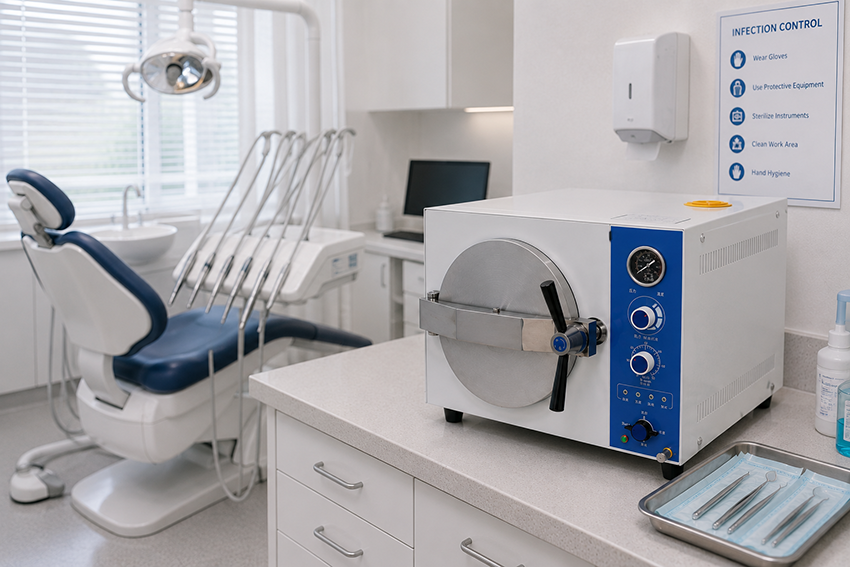
Dental Offices
Efficient tabletop or compact autoclaves for rapid instrument turnover and compliance with hygiene standards.
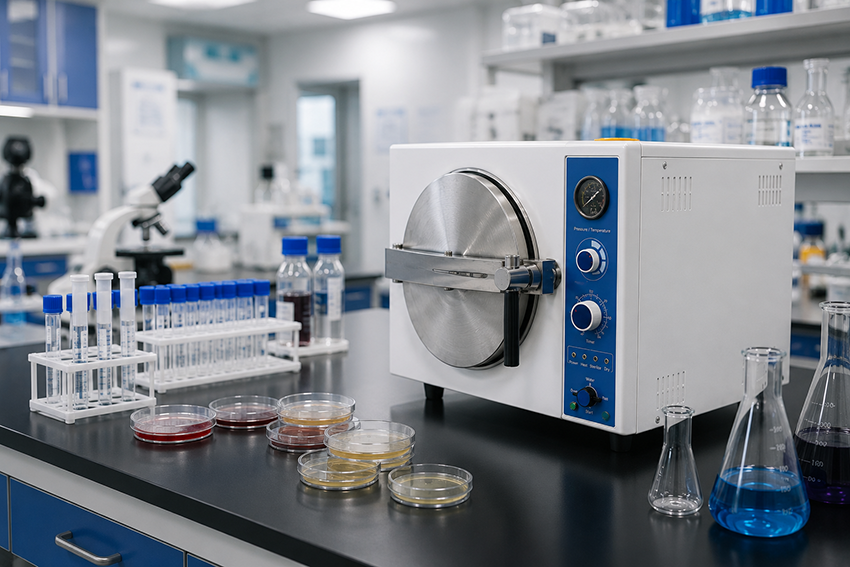
Medical Labs
Reliable sterilization for instruments, culture media, and samples in microbiology or QC labs.
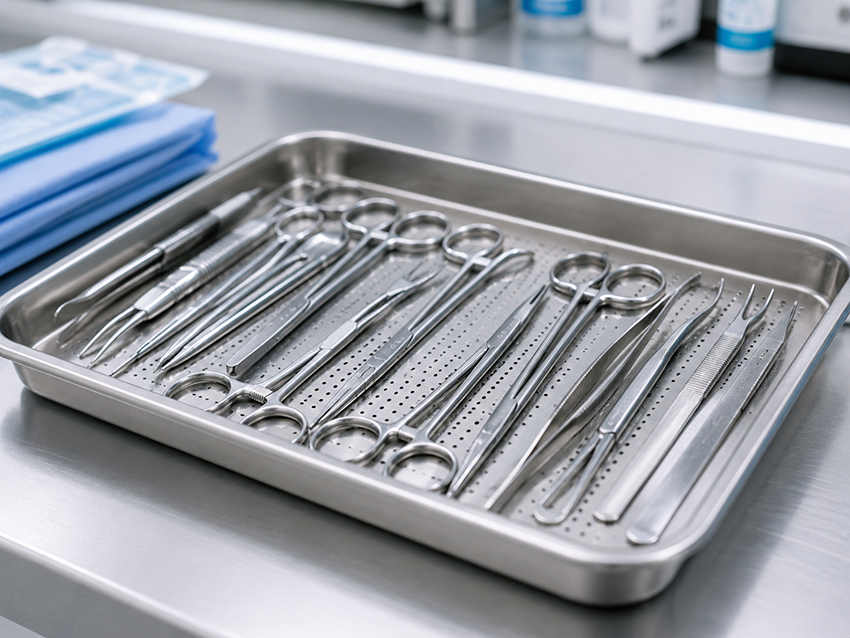
Surgical Instruments
Scalpels, forceps, scissors, clamps – sterilized efficiently for multiple daily cycles.
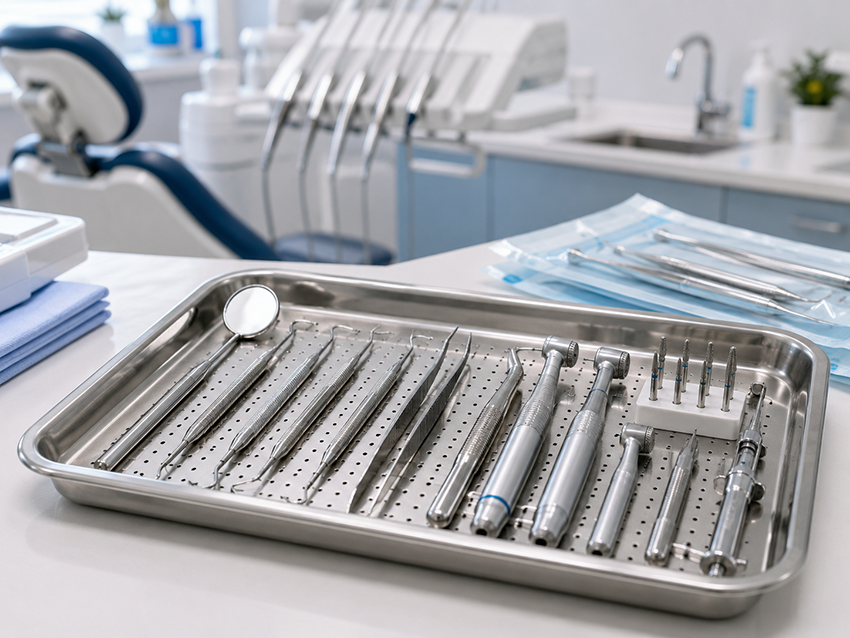
Dental Instruments
Handpieces, mirrors, and burs – processed with tabletop or compact autoclaves.

Medical Lab Tools
Pipettes, glassware, and sample containers – sterilization for QC and microbiology labs.
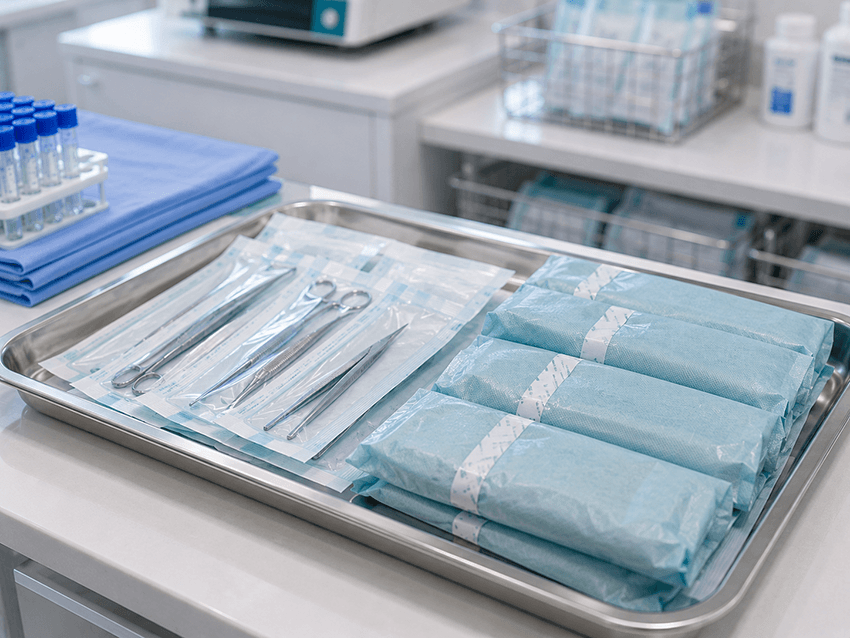
Wrapped Instruments
Reusable and wrapped items – consistent sterilization with proper cycle monitoring.

Cycle Times
From short cycles for dental clinics to full cycles for hospitals – optimize instrument turnaround.
Chamber Size
Choose the appropriate chamber volume for daily load requirements, ensuring efficiency and safety.
Utilities
Check power, water, drainage, and ventilation requirements for proper installation and operation.
Common Medical Autoclave Buying Mistakes
Frequently Asked Questions About Medical Autoclaves
What is a medical autoclave?
A medical autoclave is a sterilizer that uses steam under pressure to safely sterilize instruments and medical equipment.
What size do I need for my clinic?
Depends on daily instrument load and workflow; tabletop units for small clinics, vertical or larger units for hospitals.
Do I need documentation for every cycle?
Yes, most healthcare facilities require records for compliance and audit purposes.
Can I sterilize wrapped and unwrapped instruments in the same autoclave?
Some models allow mixed loads; check manufacturer recommendations and cycle compatibility.
What utilities are required for a medical autoclave?
Typically electrical supply, water connection, drainage, and proper ventilation space are needed.
Still Comparing? Explore Other Autoclave Directions
Medical buyers do not always stay on one sterilizer path. If your decision is becoming more compact, more laboratory-specific, more top-loading, more steam-focused, or you want to step back and compare all autoclave directions first, the related pages below are the most useful next steps.
Autoclave
Start here if you want the wider autoclave overview first. This page is useful when you want to compare the full topic before narrowing one medical-use direction.
Explore Main Autoclave GuideSteam Autoclave
Choose this page when your main question is steam sterilization itself, including cycle logic, load compatibility, and process fit beyond medical use alone.
Explore Steam AutoclaveLaboratory Autoclave
A better next step when the sterilizer is being chosen more for media, liquids, glassware, waste, or research and QC batch workflows than for clinical instrument turnover.
Explore Laboratory AutoclaveVertical Autoclave
Useful if the decision is shifting toward top-loading structure, deeper chamber space, and basket handling instead of compact front-loading access near the treatment area.
Explore Vertical AutoclaveTabletop Autoclave
Go here if your real need is a compact sterilizer for smaller daily batches, front-loading convenience, and local instrument turnover in tight rooms.
Explore Tabletop AutoclaveAutoclave Sterilizer
Helpful if you are still comparing the bigger picture and have not fully decided which sterilizer direction fits yet. It works well as a broad entry page before choosing a more specific type.
Explore Autoclave SterilizerNot Sure Which Medical Autoclave Fits Your Clinic?
Provide your instrument types, daily batch size, and room setup, and we’ll recommend the most suitable autoclave.