
Freeze drying equipment by project stage
Freeze Dryer Machines
Lanphan is an equipment supplier providing freeze dryer machines for laboratory work, pilot scale-up, food processing, industrial production and home food storage. Start with the material, reference wet-material load and the point your project has reached.
- Choose by project stage
- Match the equipment to the project
- Confirm utilities before quotation

Choose by project stage
Start With the Way the Equipment Will Be Used
The right route depends on where the project sits today—not only on the size of the machine.
Laboratory Freeze Dryer
For research, formulation work, sample preparation and small batches that need a laboratory-scale starting point.
Choose Pilot instead when the process is ready for repeatable scale-up.
View laboratory systems →Pilot / Scale-up Freeze Dryer
For teams validating a process, increasing repeat batch size and preparing to move beyond laboratory work.
This route sits between laboratory development and full production.
Review scale-up options →Industrial / Production Freeze Dryer
For factories planning production loading, installation space, utilities and a repeatable operating workflow.
Use this route for production requirements rather than laboratory or scale-up work.
View production systems →Food / Commercial Freeze Dryer
For food processors matching raw material, batch target and operating frequency to a commercial system.
Laboratory sample work belongs in the Laboratory route.
Explore food applications →Home Freeze Dryer
For households and small food businesses focused on food storage and manageable recurring batches.
Commercial production planning belongs in the Food route.
Review home-use options →How to choose
Match the Machine to the Material and the Working Routine
A useful recommendation starts with the batch and site conditions. These details help avoid selecting by model number alone.
Material
Identify the product and whether it is a liquid, paste, solid piece or prepared food.
Starting moisture
Share the approximate water content or the preparation condition before freezing.
Reference wet load
State the expected material weight per batch before drying.
Operating frequency
Estimate the required batches per day or per week.
Loading format
Describe the trays, vials, bottles, flasks or other containers used.
Product layer
Provide the typical fill depth or layer thickness when known.
Project stage
Clarify whether the work is R&D, scale-up, routine food processing or production.
Space and utilities
Confirm installation space and available site services.
Destination
Share the country, voltage, frequency and phase if known.
Lanphan manufacturing
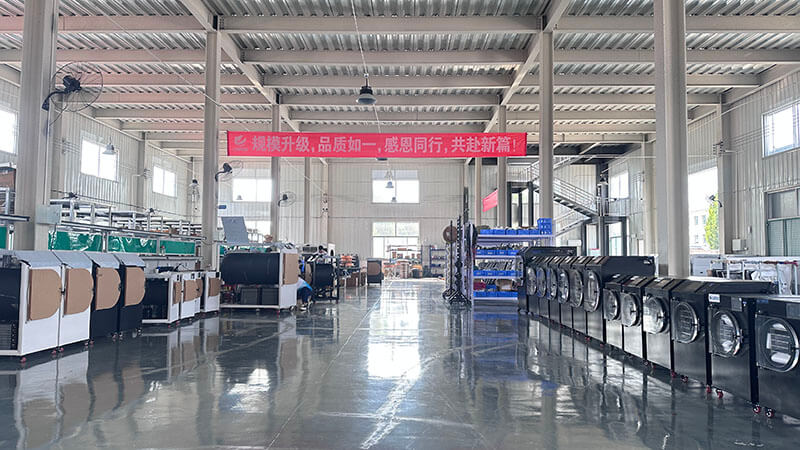
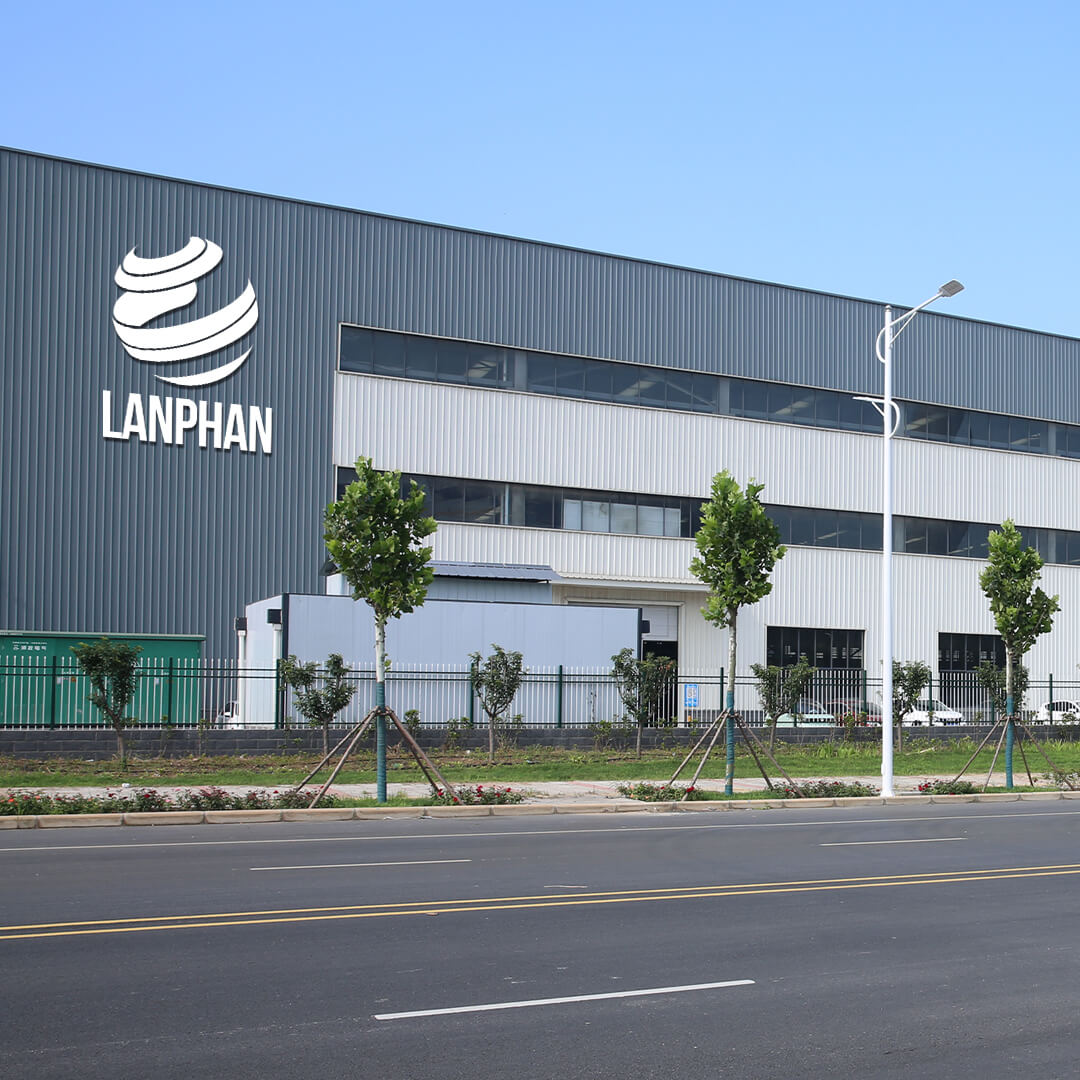
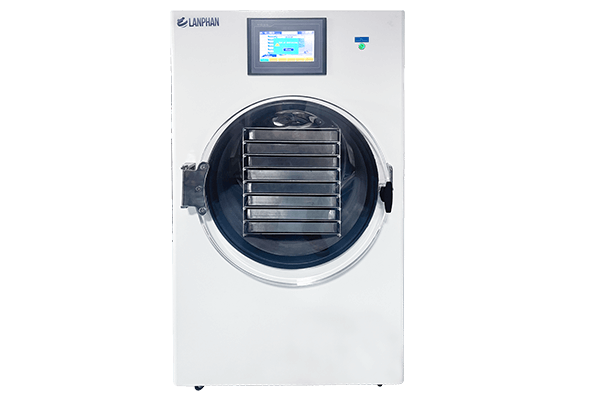
Lanphan Equipment and Facilities
These photographs show Lanphan freeze dryer equipment, a production area and the company facility.
Project qualification and inquiry
Request a Model Recommendation
Send the product, expected wet-material load and operating plan. Country and site electrical information can be added when available.
Helpful project details
- Material and starting moisture
- Reference wet-material load per batch
- Container or loading format
- Expected batches per day or week
- Country, voltage, frequency and phase if known
Next step
Send Your Project Details
Share the material, expected load and destination. An equipment recommendation can then be prepared for the project.
Request a Model RecommendationBuyer questions
Freeze Dryer Selection FAQ
What does reference wet-material load mean?
It is the approximate material weight before drying listed for a model. It is a selection reference, not a guaranteed output. Moisture, layer thickness, container format and the process affect the practical load.
When should a laboratory project move to a pilot freeze dryer?
Move to a scale-up discussion when batches become larger and more repeatable, or when the process must be prepared for production. The material, loading format and operating routine should be reviewed together.
What should be confirmed before a production quotation?
Confirm the material, wet load, batch frequency, loading format, layer thickness, installation space, site utilities and destination. Final technical terms belong in the selected model’s quotation.
What electrical information should I provide?
Share the destination country, voltage, frequency and phase if known. Compatibility must be checked against the selected model and project before an order is confirmed.
Which technical details should be confirmed before ordering?
Confirm the selected model, loading format, final equipment configuration, installation requirements and site utilities in the technical proposal and quotation before placing an order.
 English
  Russian
  Arabic
  Spanish