
Какие продукты можно и нельзя подвергать сублимационной сушке?
Что такое сублимационная сушка?
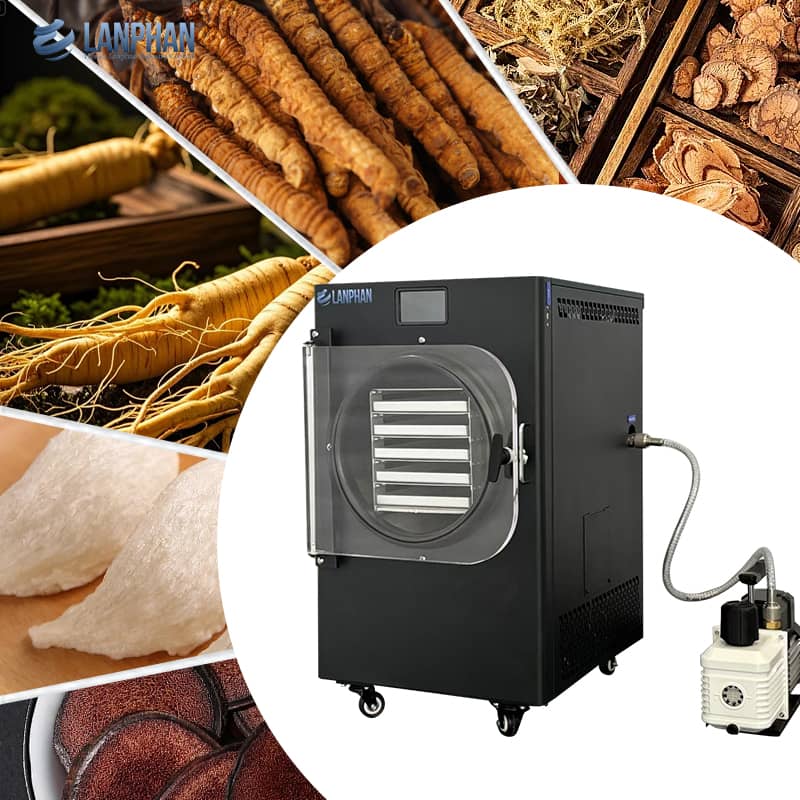
Сублимационная сушка, также известная как лиофилизация, - это процесс удаления влаги из продуктов питания при низкой температуре и в условиях вакуума путем “сублимации льда” с сохранением основной структуры продукта.
Почему сублимационная сушка?
Сублимационная сушка лучше сохраняет питательные вещества, текстуру и форму, а также позволяет хранить продукты в течение длительного времени. Поскольку вода удаляется, вес продукта уменьшается. Поскольку сублимированные продукты после регидратации становятся ближе к свежему состоянию, они идеально подходят для высококачественного питания на природе и в чрезвычайных ситуациях.
Однако сублимационная сушка подходит не для всех продуктов. Из-за высокой стоимости оборудования для сублимационной сушки, длительного времени обработки и необходимости поддерживать сублимированные продукты в сухом состоянии для хранения, сублимированные продукты являются дорогостоящими. Некоторые обильные, легкодоступные и несезонные продукты не нуждаются в сублимационной сушке. Некоторые сублимированные продукты могут иметь незначительные изменения цвета и текстуры. Поэтому не все продукты подходят для сублимационной сушки.
Что подходит для сублимационной сушки?
Для сублимационной сушки лучше всего подходят продукты с низким содержанием жира и сахара, которые можно полностью заморозить: фрукты, овощи, мясо, вареные продукты, молочные продукты и жидкости, например кофе.
К фруктам, которые можно сублимировать, относятся клубника, яблоки, бананы, черника и манго. В качестве примера можно привести сушеный манго, сушеную клубнику и кусочки дуриана. Этот процесс позволяет эффективно сохранять форму и текстуру продукта.
К овощам, которые можно сублимировать, относятся окра, кукуруза и морковь. Сублимированные овощи можно использовать в качестве закусок.
К мясу, которое можно сублимировать, относятся говядина, курица и рыба. Многие корма для домашних животных теперь содержат сублимированную курицу и говядину.
К сублимированным продуктам относятся рис, лапша, тушеное мясо и супы. Эти сублимированные продукты быстрого приготовления можно брать с собой в походы и путешествия: просто добавьте горячей воды, чтобы быстро приготовить еду.
К жидкостям, которые можно сублимировать, относятся молоко, йогурт, фруктовые коктейли, кофе и фруктовые соки. Йогурт можно сублимировать, превращая его в кусочки для закусок. Многие сорта кофе теперь используют технологию сублимационной сушки, чтобы сделать кофейный порошок быстрорастворимым.
Что не подходит для сублимационной сушки?
Продукты с высоким содержанием жира, сиропа, чистых масел, алкогольных напитков, а также продукты со сложной эмульсионной структурой не подходят для сублимационной сушки.
Продукты с высоким содержанием жиров: жиры склонны к окислению или комкованию, например, жирное мясо и бекон.
Продукты с высоким содержанием сахара или сиропа: их трудно полностью заморозить, и они склонны к разрушению и слипанию во время сублимационной сушки. Примером могут служить мед и сироп, которые обычно сворачиваются при сублимационной сушке.
Продукты на основе чистого масла: пищевые масла, сливочное масло, сало и т.д. не могут образовывать стабильную сублимированную структуру.
Спиртосодержащие продукты:Спирт имеет низкую температуру замерзания, что делает спиртосодержащие жидкости непригодными для сублимационной сушки. В качестве примера можно привести крепкие спиртные напитки, вино, фруктовое вино и алкогольные напитки.
Продукты со сложной эмульсионной структурой: сливочные соусы, майонез, салатные заправки и густые соусы после сублимационной сушки могут подвергаться разрушению структуры, расслоению и вытеканию масла.
Заключение
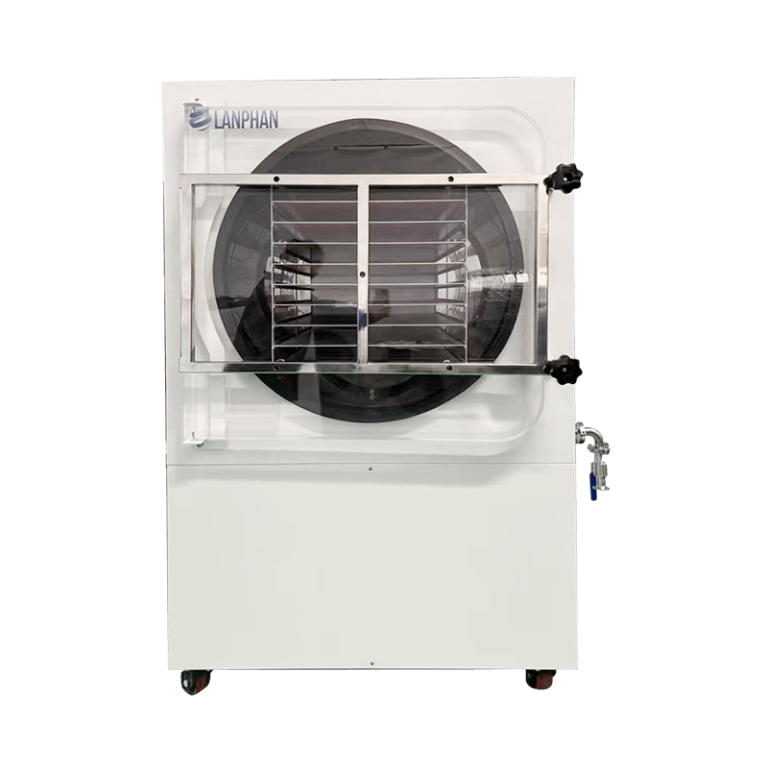
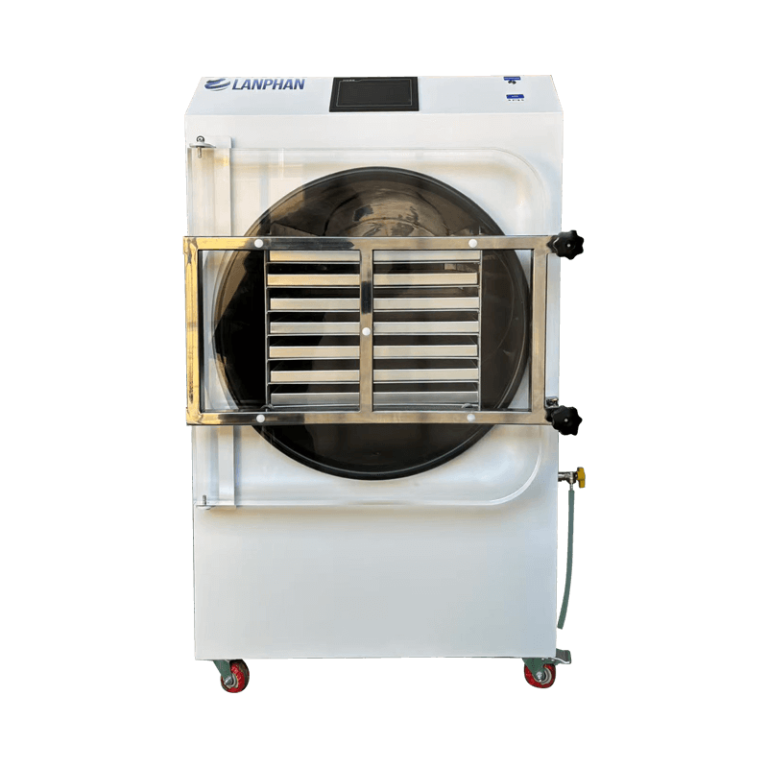
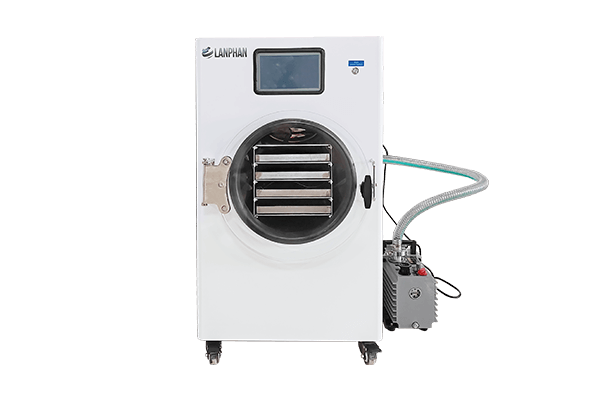
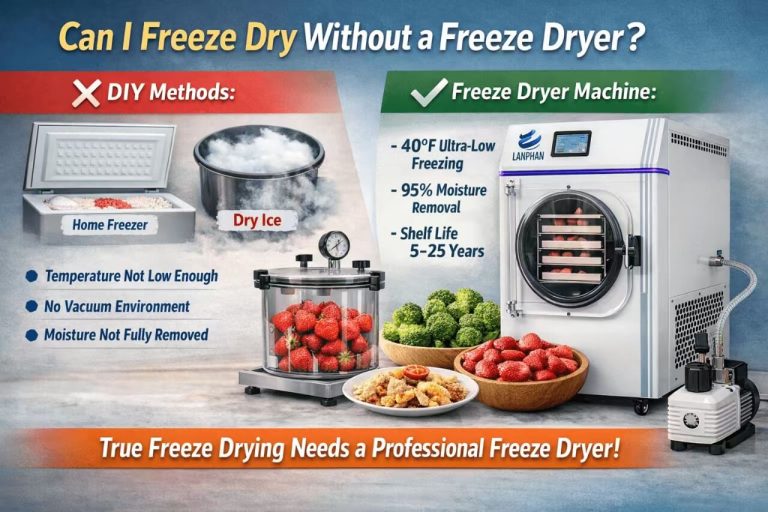
Сублимированные продукты не требуют охлаждения и могут храниться до 20 лет в герметичных, влагонепроницаемых условиях. Однако процесс сублимационной сушки включает в себя вакуум, низкую температуру и контроль сублимации, и неправильная эксплуатация может легко привести к разрушению структуры, чрезмерно высокому содержанию влаги, изменению вкуса или цвета. Рекомендуется попробовать небольшую партию перед крупномасштабной сублимационной сушкой. Время сублимационной сушки может отличаться для фруктов с разным содержанием воды; крупные фрукты или овощи перед сублимационной сушкой можно разрезать на мелкие кусочки. Сублимационная сушильная машина Они подходят для пищевой промышленности, домашнего хранения продуктов, кормов для домашних животных, фармацевтики, биологических исследований и аварийных запасов продовольствия.

 English
  Russian
  Arabic
  Spanish