
El secado por pulverización suele considerarse una opción para los extractos cuando es necesario convertir una materia prima líquida o concentrada en un polvo estable y fácil de manipular. En el procesamiento de ingredientes botánicos, herbales, alimentarios y naturales, la verdadera cuestión a la hora de comprar no es solo si un secador por pulverización puede evaporar el agua. Los compradores también necesitan saber si la materia prima se puede atomizar, si el polvo se puede recuperar y si la exposición al calor es aceptable para el material.
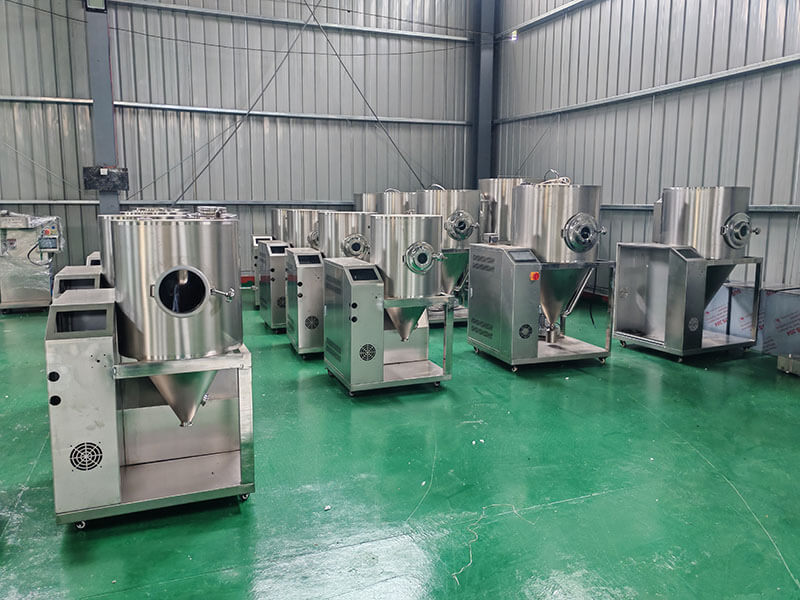
En esta página se explica cómo suelen evaluar los compradores un secador por atomización para extractos antes de optar por una línea de laboratorio, piloto o de producción. No se hacen afirmaciones sin fundamento sobre el rendimiento final, la retención de principios activos o el rendimiento del producto, ya que estos aspectos dependen de la formulación concreta y de las pruebas del proceso.
Cuándo es recomendable el secado por pulverización para los extractos
Un secador por pulverización puede resultar adecuado cuando el extracto se puede bombear, se puede atomizar en gotas finas y soporta el rango de temperaturas de entrada y salida necesario para el secado. Suele utilizarse para extractos vegetales, extractos de hierbas, ingredientes alimentarios, aromatizantes, colorantes naturales y otras materias primas líquidas que deben transformarse en polvo.
Puede que este método no sea el adecuado si el material de partida es demasiado graso, demasiado pegajoso, demasiado sensible al calor o difícil de convertir en un polvo de flujo libre sin un excipiente. En esos casos, suele ser más útil realizar una prueba de laboratorio o ajustar la formulación que elegir el equipo únicamente a partir de un catálogo.
Preguntas clave antes de elegir un secador por pulverización con extracción
- ¿El extracto es acuoso, a base de disolvente, oleoso, azucarado o pegajoso?
- ¿Cuál es el contenido aproximado de sólidos antes del secado?
- ¿Se utilizará algún excipiente, como la maltodextrina u otro?
- ¿Qué características se esperan del polvo: que sea de flujo libre, de disolución instantánea, de grano fino o un material que se mezclará posteriormente?
- ¿El proyecto se centra en pruebas de viabilidad, trabajos piloto o producción en serie?
- ¿Existen requisitos relacionados con la limpieza, los olores, los disolventes o la seguridad que influyan en la elección del equipo?
Las pruebas de laboratorio preceden a la ampliación de la producción
Para muchos extractos, el primer paso útil es realizar una prueba de secado por pulverización a escala de laboratorio. Una pequeña prueba puede revelar si el material de partida se atomiza sin problemas, si el polvo se adhiere a la cámara, si la temperatura de salida es aceptable y si el polvo recogido cumple con los requisitos de manipulación del comprador.
Los resultados de laboratorio no deben considerarse como resultados de producción garantizados. Se trata de una fase práctica de selección. Una vez que se conoce el comportamiento del pienso, los compradores pueden valorar si es más adecuado utilizar un secador por pulverización de laboratorio, piloto o de mayor tamaño.
La atomización y la recuperación del polvo son importantes
El secado de extractos depende en gran medida de la atomización. Si las gotas son demasiado grandes, el secado puede quedar incompleto. Si el material de alimentación es inestable o pegajoso, el polvo puede acumularse en la pared en lugar de en el colector. Los compradores deben analizar la viscosidad del material de alimentación, el contenido en sólidos, la elección del vehículo y el comportamiento deseado de las partículas de polvo antes de comparar máquinas.
En algunos proyectos, el método de atomización y el diseño de la cámara de secado son más importantes que la capacidad nominal. Por eso, el comprador debería facilitar la información sobre la materia prima antes de solicitar simplemente un número de modelo.
Los extractos sensibles al calor requieren una revisión del proceso
El secado por pulverización utiliza aire caliente, aunque la evaporación de las gotas puede reducir el tiempo de exposición térmica. Si el extracto contiene componentes sensibles al calor, el comprador debe revisar la temperatura de salida aceptable, el tiempo de exposición y los requisitos de control de calidad. Lanphan puede ayudar a analizar las especificaciones del equipo, pero la calidad final del producto y los resultados de los principios activos deben verificarse mediante el propio método de ensayo del comprador.
Elección de equipos de laboratorio, piloto o de producción
Un secador por pulverización de laboratorio se utiliza normalmente para el secado de muestras, la evaluación de formulaciones y las comprobaciones iniciales del proceso. Un secador por pulverización piloto resulta útil cuando el comprador necesita datos más representativos del proceso antes de pasar a una escala superior. Solo se debe considerar un sistema de producción de mayor tamaño una vez que se conozcan con claridad el comportamiento de la materia prima, las características deseadas del polvo, las necesidades de limpieza y las condiciones de funcionamiento.
Si vas a comparar tipos de equipos, empieza por el principal secador por pulverización página. Si el proyecto aún se encuentra en fase de pruebas, analiza por qué los compradores utilizan un secador por pulverización a escala de laboratorio. Si el método de atomización influye en la decisión, compara secadores por pulverización centrífugos y de dos fluidos.
Información que hay que enviar para obtener una recomendación sobre el secado de extractos
Para recibir una recomendación más práctica, indícanos el tipo de extracto, si es a base de disolvente o de agua, el contenido en sólidos, la viscosidad (si la conoces), la cantidad prevista de materia prima, el plan de uso de excipientes o aditivos, la forma de polvo deseada y si el proyecto se trata de ensayos de laboratorio, producción piloto o planificación de producción en continuo.
 English
  Russian
  Arabic
  Spanish